- Planet Earth
- Climate change
New research finds that climate-driven shifts in wildfire seasons in North America are different depending on the ecosystem.
When you purchase through links on our site, we may earn an affiliate commission. Here’s how it works.
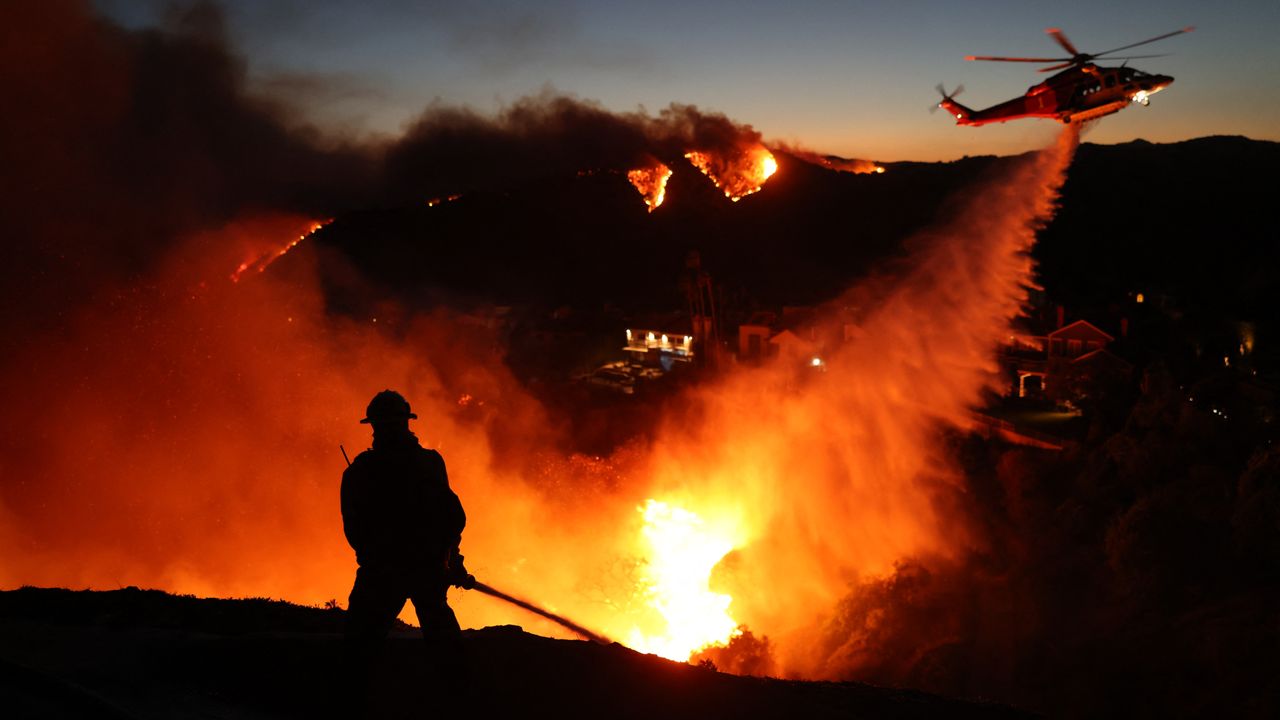
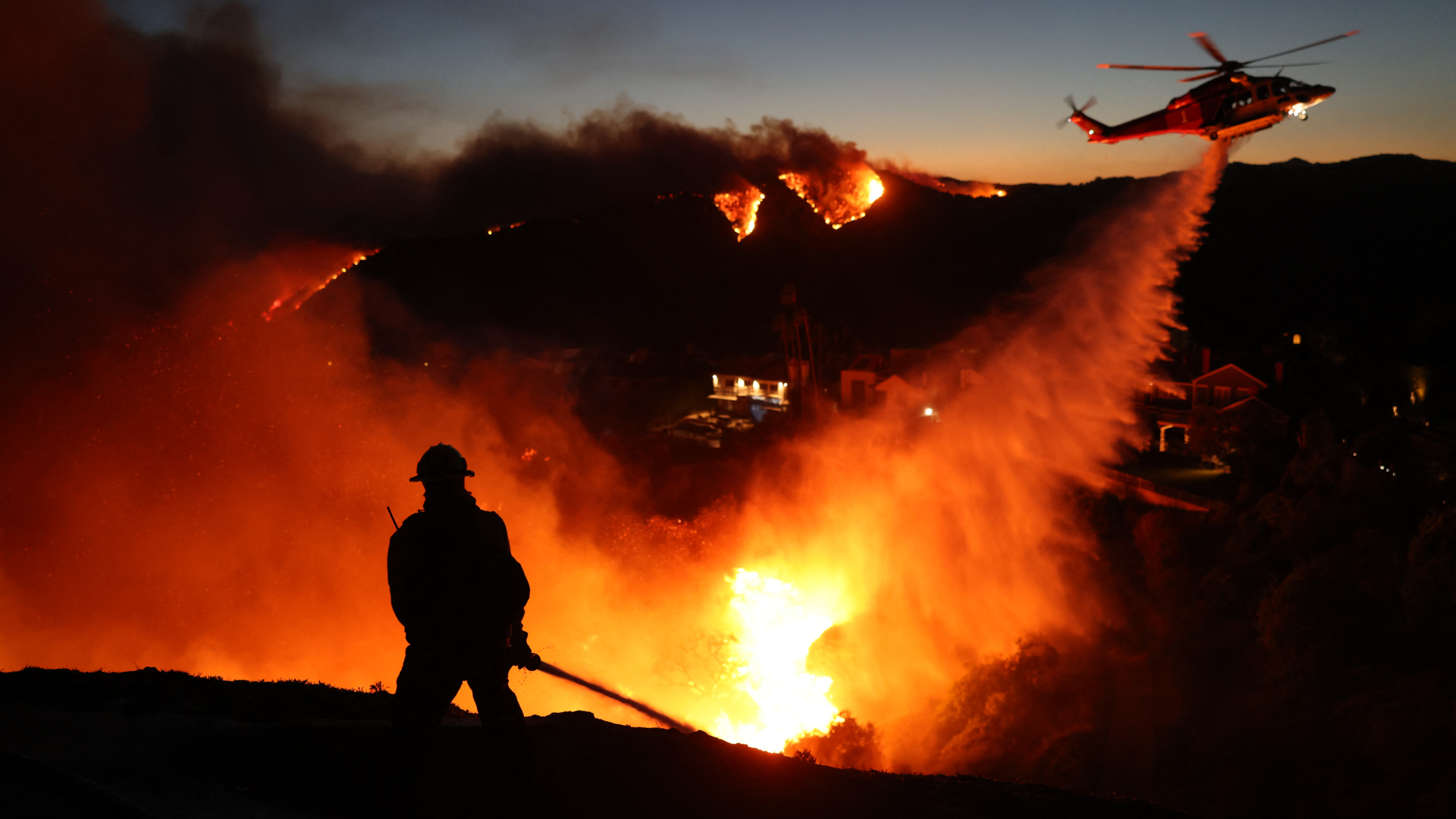 The 2025 Palisades Fire in California was one of the most destructive in the state's history.
(Image credit: DAVID SWANSON via Getty Images)
The 2025 Palisades Fire in California was one of the most destructive in the state's history.
(Image credit: DAVID SWANSON via Getty Images)
- Copy link
- X
Get the world’s most fascinating discoveries delivered straight to your inbox.
Become a Member in Seconds
Unlock instant access to exclusive member features.
Contact me with news and offers from other Future brands Receive email from us on behalf of our trusted partners or sponsors By submitting your information you agree to the Terms & Conditions and Privacy Policy and are aged 16 or over.You are now subscribed
Your newsletter sign-up was successful
Want to add more newsletters?

Delivered Daily
Daily Newsletter
Sign up for the latest discoveries, groundbreaking research and fascinating breakthroughs that impact you and the wider world direct to your inbox.
Signup +
Once a week
Life's Little Mysteries
Feed your curiosity with an exclusive mystery every week, solved with science and delivered direct to your inbox before it's seen anywhere else.
Signup +
Once a week
How It Works
Sign up to our free science & technology newsletter for your weekly fix of fascinating articles, quick quizzes, amazing images, and more
Signup +
Delivered daily
Space.com Newsletter
Breaking space news, the latest updates on rocket launches, skywatching events and more!
Signup +
Once a month
Watch This Space
Sign up to our monthly entertainment newsletter to keep up with all our coverage of the latest sci-fi and space movies, tv shows, games and books.
Signup +
Once a week
Night Sky This Week
Discover this week's must-see night sky events, moon phases, and stunning astrophotos. Sign up for our skywatching newsletter and explore the universe with us!
Signup +Join the club
Get full access to premium articles, exclusive features and a growing list of member rewards.
Explore An account already exists for this email address, please log in. Subscribe to our newsletterClimate change is shifting wildfire seasons in North America, but the direction of the shift depends on the regional ecosystem, a new study shows.
The fire season in the northern boreal forests of Alaska and Canada have shifted forward, on average; prairie regions have seen little change; and the fire season in the arid West and California has extended further into late fall and winter. The findings were published Feb. 24 in the journal Geophysical Research Letters.
Article continues below You may like-
 Permafrost thaw and 'shrubification' have tipped Alaska's North Slope into a wildfire regime not seen for 3,000 years
-
 Earth's seasons vary wildly, even at the same latitude, new research finds
-
 Birds are declining faster and faster in 3 US hotspots, new study finds
Zhang and his colleagues used data on burn area in North America from 2001 to 2020 taken from the Moderate Resolution Imaging Spectroradiometer (MODIS) instrument on NASA's Aqua and Terra satellites. They also gathered data on meteorological variables, vegetation, lightning potential and other environmental factors at the time of the fires.
They found that the boreal forest, or taiga, of Canada, Alaska and the Great Lakes region is seeing earlier fires. This is due to earlier snowmelt, and thus earlier dryness of fuels. Canada experienced its worst wildfire season in 2023 and its second-worst just two years later.
The warm desert Southwest and the Mediterranean-like climate region of California saw a lengthening of the fire season, with more fires burning after the traditional high-risk window.
Prairies and grasslands experienced slight changes in fire season intensity and minimal change in seasonal timing. The Appalachians and Southeastern forests also saw little in the way of seasonal shifts.
Sign up for the Live Science daily newsletter nowContact me with news and offers from other Future brandsReceive email from us on behalf of our trusted partners or sponsorsBy submitting your information you agree to the Terms & Conditions and Privacy Policy and are aged 16 or over.RELATED STORIES—'We are creating the fire equivalent of an ice age': Humans have plunged Earth into the 'Pyrocene'
—Giant wildfires can create their own weather. Here's how.
—Even trees 'hold their breath' to avoid harmful wildfire smoke, research finds
The researchers also modeled future scenarios. Under a high-emissions climate change scenario, they found, the fire season in boreal forests will shift forward by about a week, while California's annual fire season could extend more than a month later than the current June-to-October window. The desert Southwest could see a similar stretching of the fire season, the researchers wrote.
This model will be useful for more detailed study, Zhang said. He and his team plan to use it to study the impacts of other factors, such as vegetation change and human activities. (According to the National Park Service, 85% of wildland fires in the U.S. are caused by human acts, such as arson or failing to extinguish a campfire correctly.) The model is also useful for predicting the pollution and carbon emissions from these fires, Zhang said.
"That model is really good at predicting wildfire," he said. "So now we want to predict the emissions of wildfire to the atmosphere."
Article SourcesFang, F., et al. (2026). Climate-Driven Changes in Wildfire Seasonality Across North America. Geophysical Research Letters, 53(4). https://agupubs.onlinelibrary.wiley.com/doi/10.1029/2025GL121153
 Stephanie PappasSocial Links NavigationLive Science Contributor
Stephanie Pappas is a contributing writer for Live Science, covering topics ranging from geoscience to archaeology to the human brain and behavior. She was previously a senior writer for Live Science but is now a freelancer based in Denver, Colorado, and regularly contributes to Scientific American and The Monitor, the monthly magazine of the American Psychological Association. Stephanie received a bachelor's degree in psychology from the University of South Carolina and a graduate certificate in science communication from the University of California, Santa Cruz.
View MoreYou must confirm your public display name before commenting
Please logout and then login again, you will then be prompted to enter your display name.
Logout Read more
Permafrost thaw and 'shrubification' have tipped Alaska's North Slope into a wildfire regime not seen for 3,000 years
Earth's seasons vary wildly, even at the same latitude, new research finds
Birds are declining faster and faster in 3 US hotspots, new study finds
 Amazon rainforest is transitioning to a 'hypertropical' climate — and trees won't survive that for long
 'The warming trend nearly doubled after 2014': The rate of global warming has accelerated more in the past decade than ever before
 Canada could remove 5 times its annual carbon emissions by planting trees on edge of boreal forest, study finds
Latest in Climate change
'The warming trend nearly doubled after 2014': The rate of global warming has accelerated more in the past decade than ever before
Canada could remove 5 times its annual carbon emissions by planting trees on edge of boreal forest, study finds
Latest in Climate change
'The warming trend nearly doubled after 2014': The rate of global warming has accelerated more in the past decade than ever before
 Planting trees in the sea could act as a huge carbon sink and save millions of dollars in storm damage every year. What is stopping us from doing it?
 'Humans can't be considered to be separate from the environment': Award-winning scientist Meha Jain on using satellites and real world experiences to help farmers in India facing a precarious future
 Trump is bringing car pollution and other greenhouse gases back to America's skies. Here are the health risks we all face from climate change.
 'It's telling us there's something big going on': Unprecedented spike in atmospheric methane during the COVID-19 pandemic has a troubling explanation
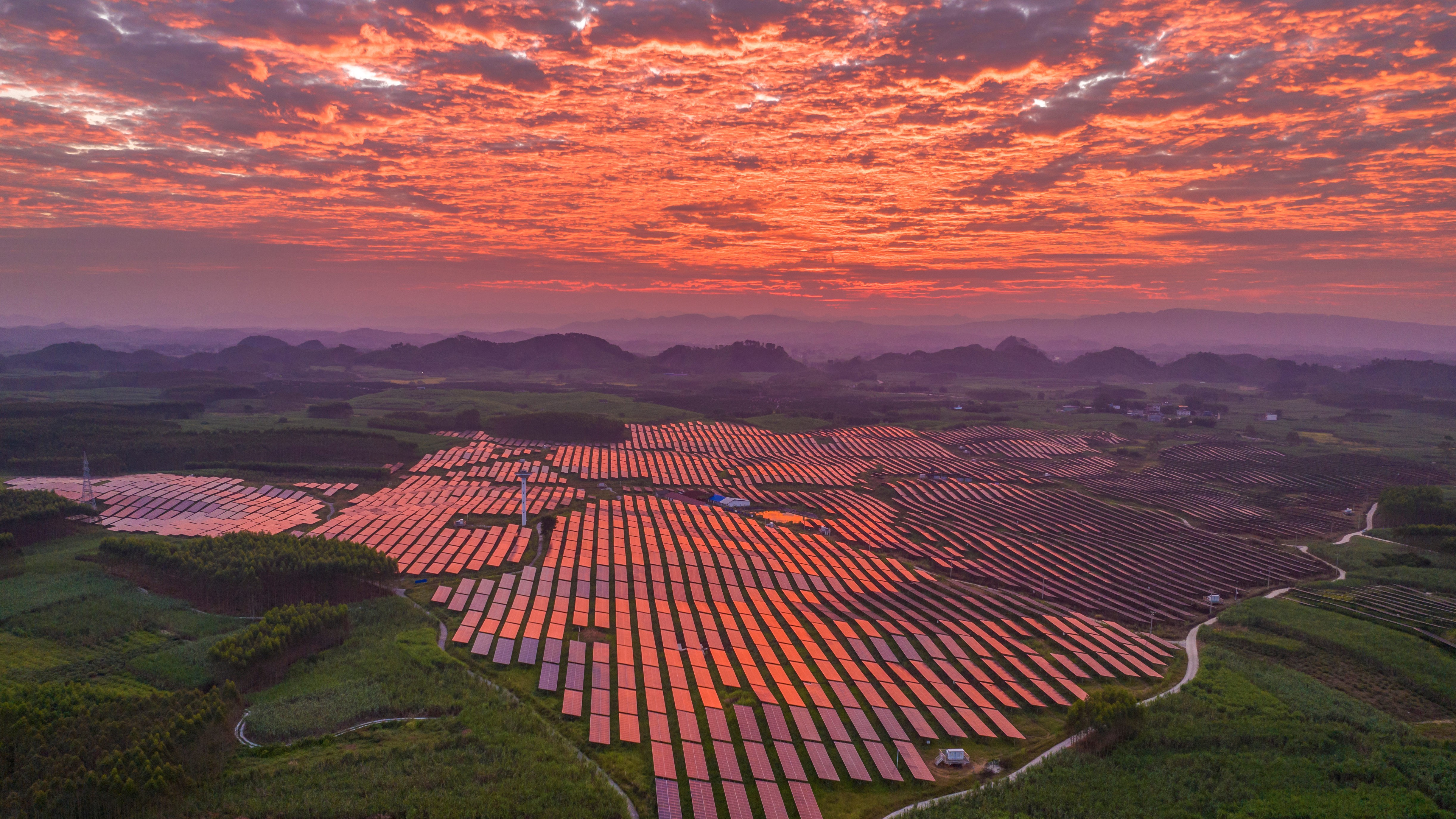 China's emissions are flatlining — and may be falling — in critical turning point for biggest emitter, report says
Latest in News
China's emissions are flatlining — and may be falling — in critical turning point for biggest emitter, report says
Latest in News
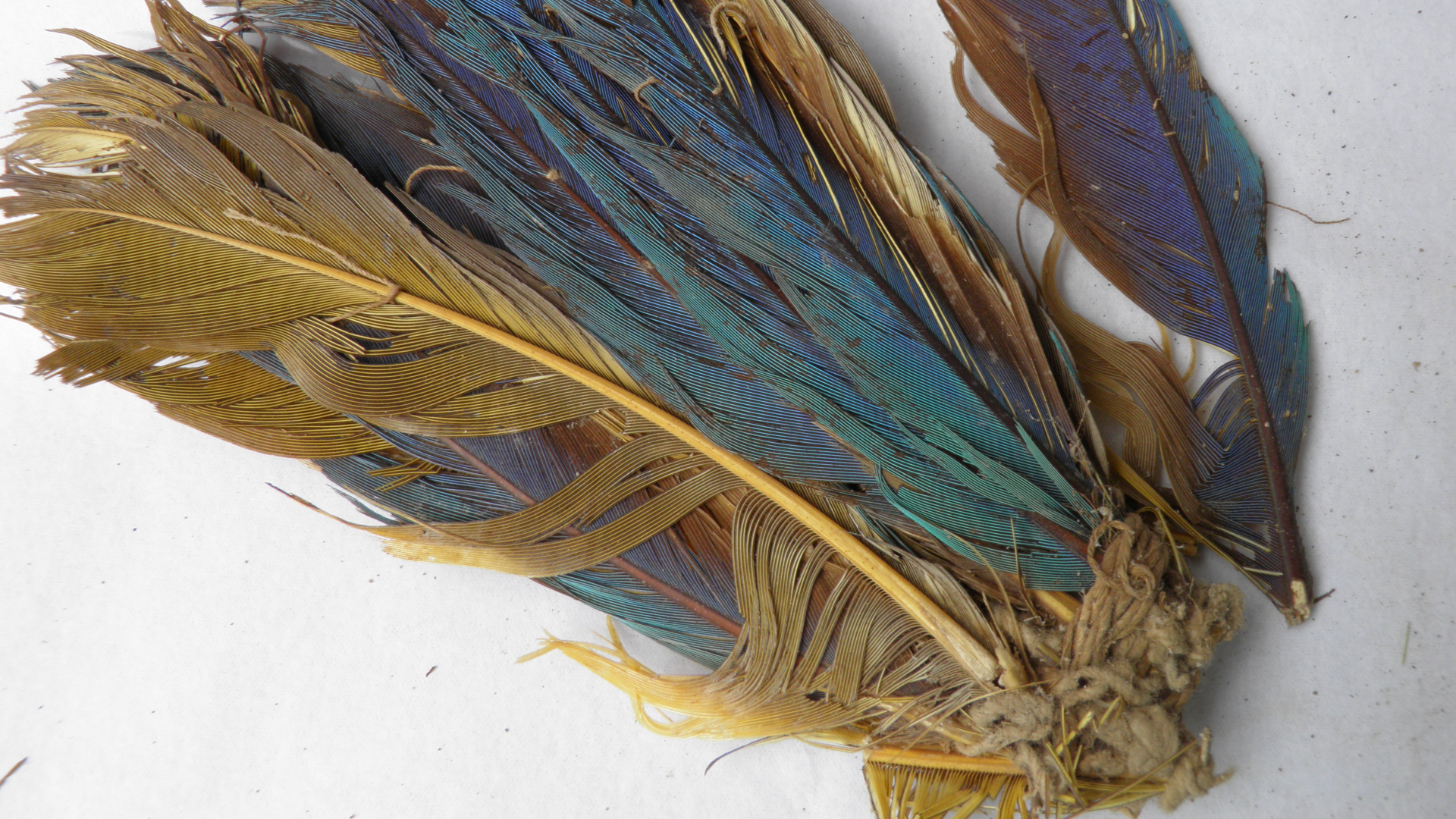 Pre-Inca culture acquired Amazonian parrots from hundreds of miles away to use their feathers to decorate the dead, new analysis reveals
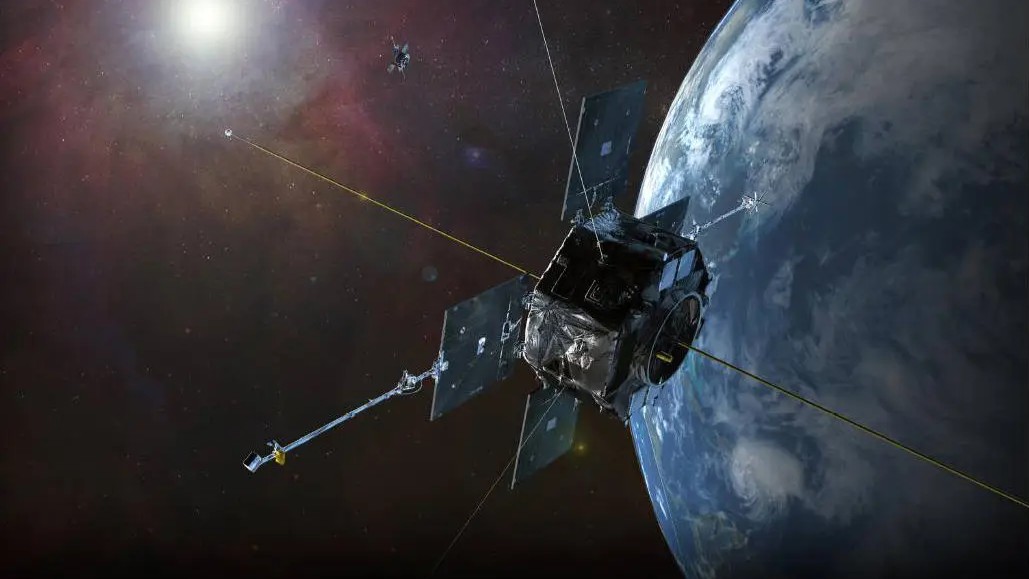 1,300-pound spacecraft will crash to Earth today following intense solar activity, NASA warns
 Single protein could dramatically alter trajectory of Alzheimer's disease
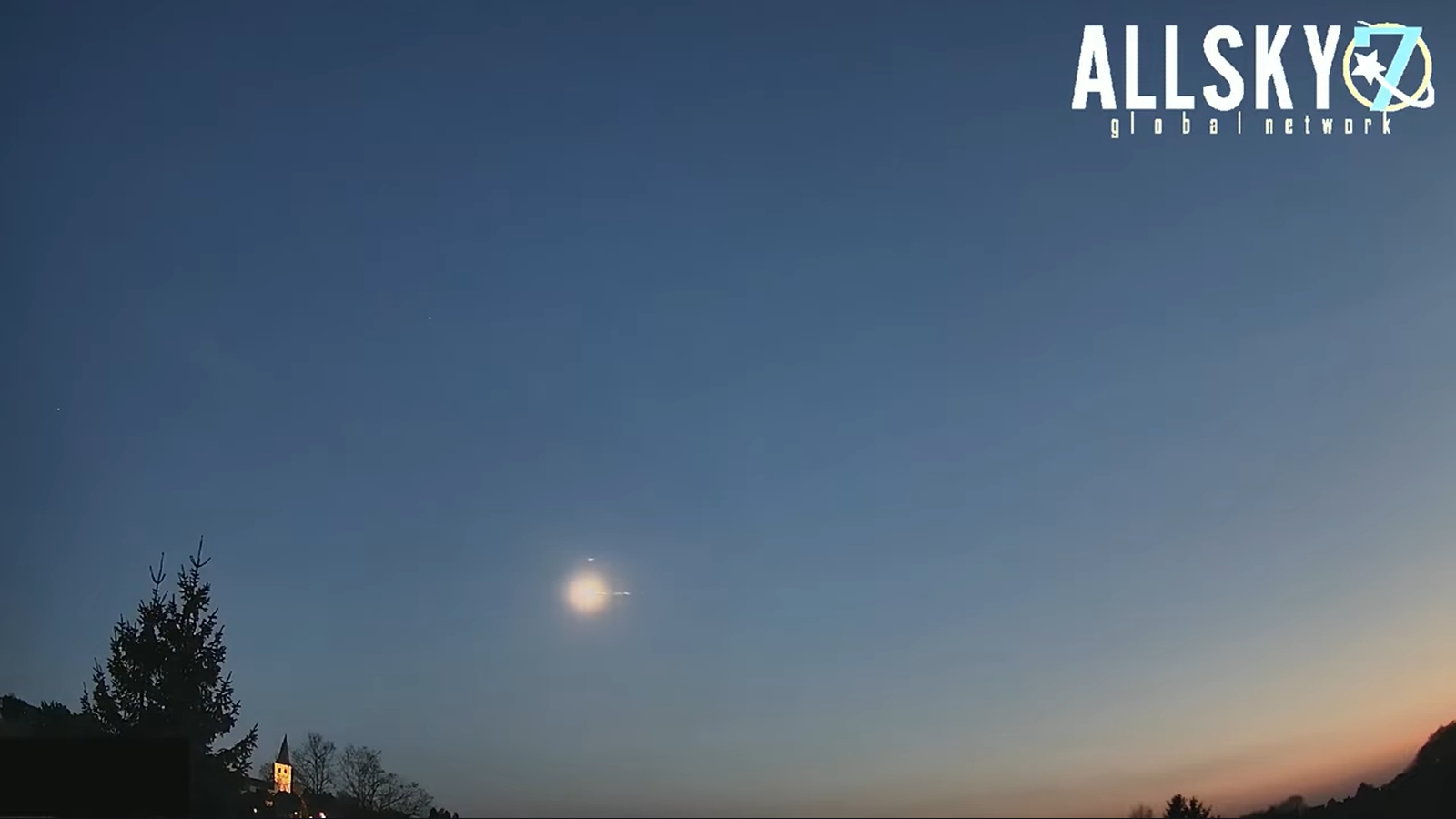 Falling meteorite smashes hole in roof of German house after spectacular 'fireball' explosion over Europe
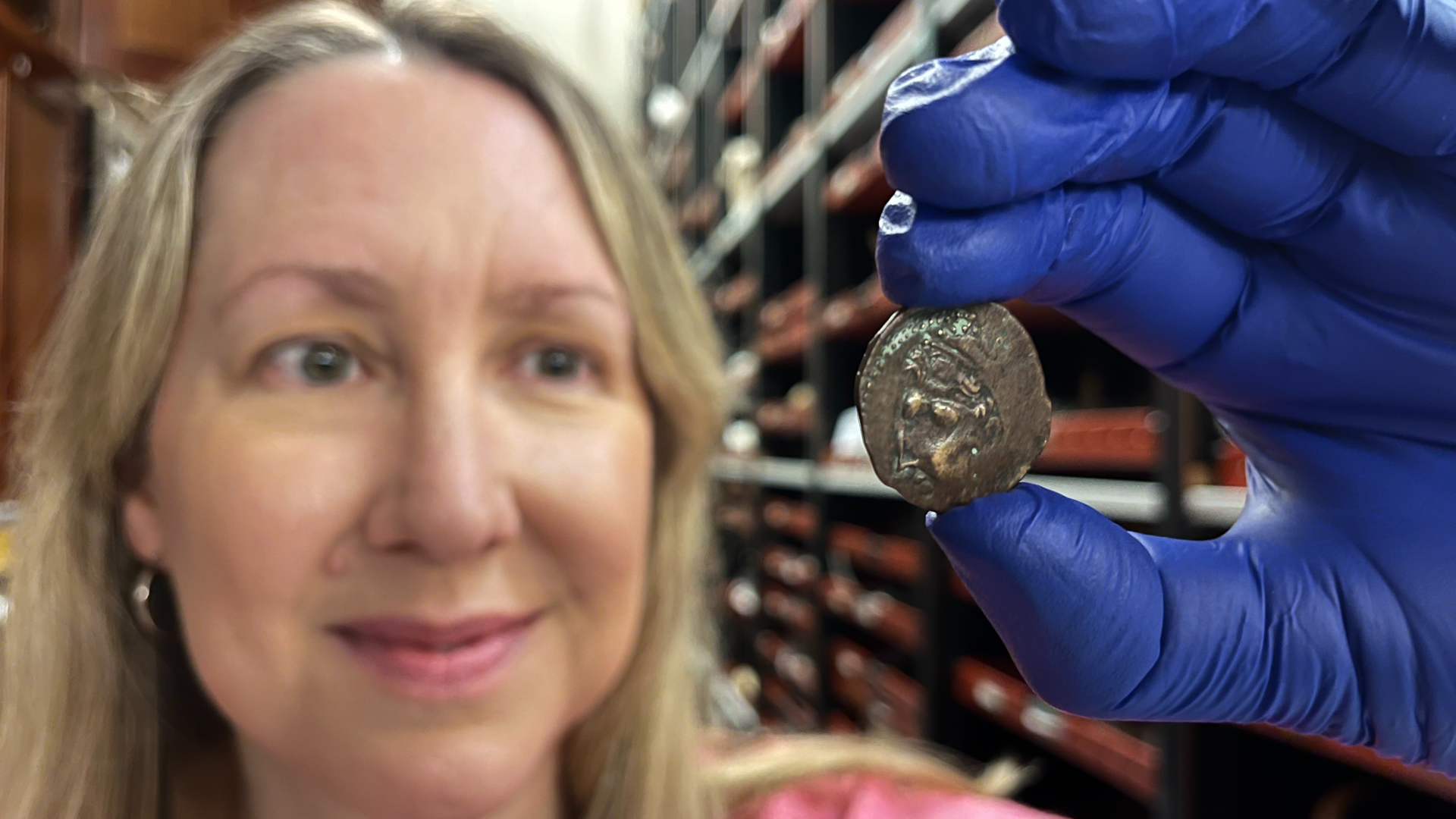 2,000-year-old Phoenician coin was used as bus fare in England, but 'how it got there will always be a mystery'
California's wildfire season is shifting, with more blazes after the traditional high-risk window, study finds
LATEST ARTICLES
2,000-year-old Phoenician coin was used as bus fare in England, but 'how it got there will always be a mystery'
California's wildfire season is shifting, with more blazes after the traditional high-risk window, study finds
LATEST ARTICLES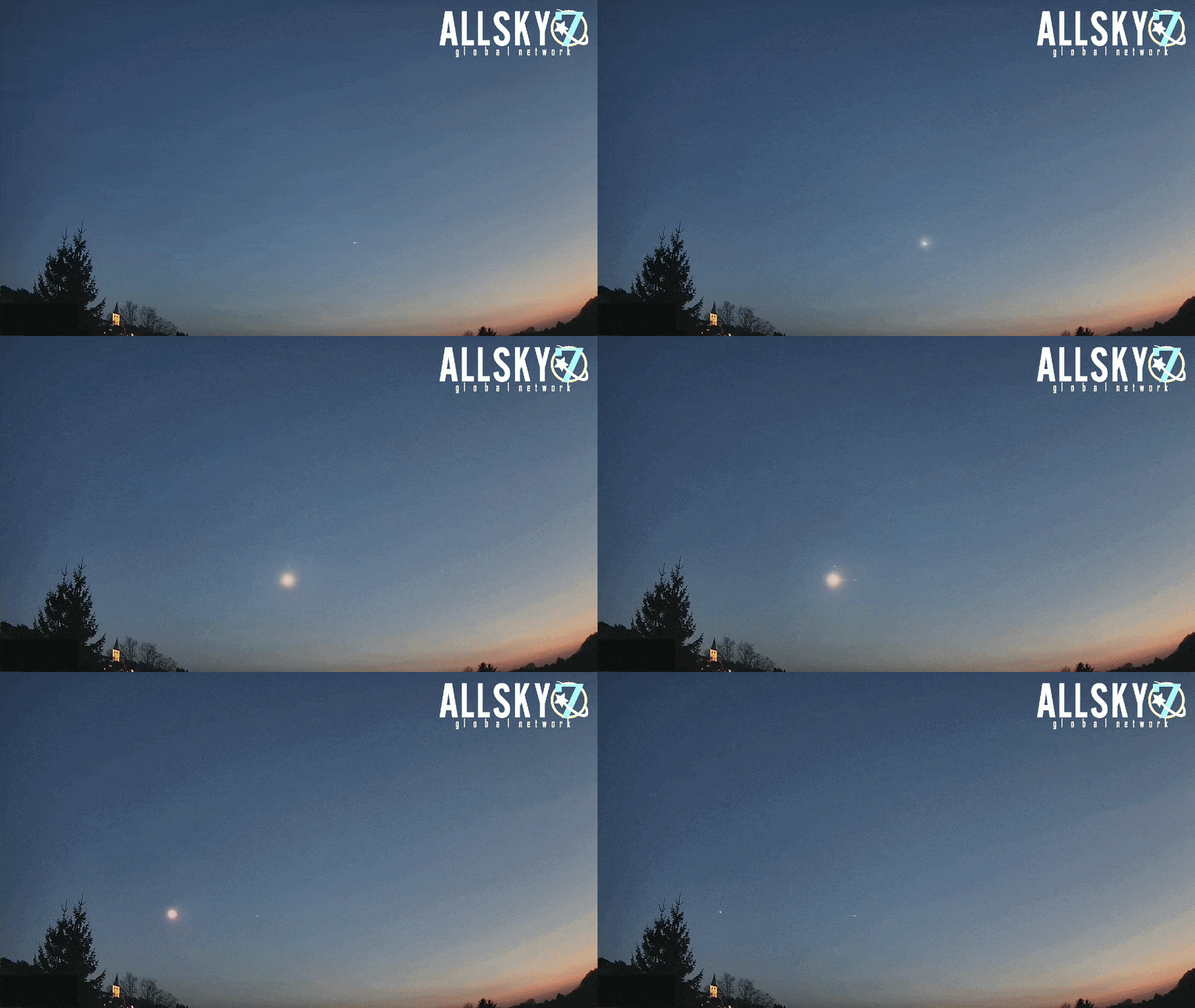 1Falling meteorite smashes hole in roof of German house after spectacular 'fireball' explosion over Europe
- 2Gemstone-filled river and striped mountain ridge form massive 'Y' in China's revitalized desert
- 3Exotic prime numbers could be hiding inside black holes
- 42,000-year-old Phoenician coin was used as bus fare in England, but 'how it got there will always be a mystery'
- 5In people with epilepsy, sleeping after a seizure may trigger more seizures